



LOCAL IT FIRM GUARANTEES GULF COAST ORGANIZATIONS PROTECTION FROM RANSOMWARE AND SECURITY THREATS THROUGH A MULTI-LAYER SECURITY APPROACH Robertsdale, AL (March 15, 2018) – Business

You can’t manage what you can’t see. Even a small network generates over 250,000 logs per hours. An impossible task for a human to review. We now live in the days of sophisticated digital hackers so your concern shouldn’t be if you’re going to get hacked, but what you’re going to do when it happens.
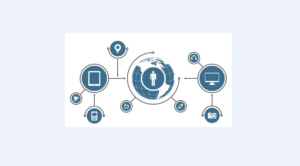
IoT in all its flavors (e.g., physical security systems, lights, appliances, heating and air conditioning systems, as well as artificial intelligence-based automated agents such as chatbots) exposes companies and consumers alike to a wide range of security threats.

Sure, you’ve heard of the dark web, but do you know what it is actually used for and how to access it? More importantly, should you even try to access it?
Local security expert, Phillip Long, advises business owners on a defense-in-depth, security strategy in latest tech video about on-premise firewalls. Listen to Phillip discuss best
Phillip Long, a Certified Information Security Systems Professional (CISSP), talks cloud based email filtering in his latest Defense-in-Depth series video. During the video, he gives

Phillip Long, a Certified Information Security Systems Professional (CISSP), continues through his Defense-in-Depth series. This week he discusses how a multi-layer security approach with a
Phillip Long, a Certified Information Security Systems Professional (CISSP), discusses how a proper network design will reduce your chances of a security breach through his

If you tend to use the same, or similar, passwords for more than one site, or if a password is your only tool for credentials and authentication, you could be putting your organization – and yourself – at risk for identity theft and/or a security breach.

Just when you thought cyber criminals couldn’t get smarter, along comes a new scamming technique. Previously used for safeguarding browsing activity, encryption tools are now used by hackers in carrying out phishing scams.
LOCAL IT FIRM GUARANTEES GULF COAST ORGANIZATIONS PROTECTION FROM RANSOMWARE AND SECURITY THREATS THROUGH A MULTI-LAYER SECURITY APPROACH Robertsdale, AL (March 15, 2018) – Business
You can’t manage what you can’t see. Even a small network generates over 250,000 logs per hours. An impossible task for a human to review. We now live in the days of sophisticated digital hackers so your concern shouldn’t be if you’re going to get hacked, but what you’re going to do when it happens.
IoT in all its flavors (e.g., physical security systems, lights, appliances, heating and air conditioning systems, as well as artificial intelligence-based automated agents such as chatbots) exposes companies and consumers alike to a wide range of security threats.
Sure, you’ve heard of the dark web, but do you know what it is actually used for and how to access it? More importantly, should you even try to access it?
Local security expert, Phillip Long, advises business owners on a defense-in-depth, security strategy in latest tech video about on-premise firewalls. Listen to Phillip discuss best
Phillip Long, a Certified Information Security Systems Professional (CISSP), talks cloud based email filtering in his latest Defense-in-Depth series video. During the video, he gives
Phillip Long, a Certified Information Security Systems Professional (CISSP), continues through his Defense-in-Depth series. This week he discusses how a multi-layer security approach with a
Phillip Long, a Certified Information Security Systems Professional (CISSP), discusses how a proper network design will reduce your chances of a security breach through his
If you tend to use the same, or similar, passwords for more than one site, or if a password is your only tool for credentials and authentication, you could be putting your organization – and yourself – at risk for identity theft and/or a security breach.
Just when you thought cyber criminals couldn’t get smarter, along comes a new scamming technique. Previously used for safeguarding browsing activity, encryption tools are now used by hackers in carrying out phishing scams.